ChatGPT / OpenAI Development

ChatGPT Development Services for AI Assistants & Product Workflows

Digital Sensei integrates GPT models into SaaS products, business workflows, Voice AI systems and internal tools where AI needs to work with real application context, APIs and operational processes.

SaaS & Product IntegrationConversational AssistantsStructured OutputsWorkflow Automation
What ChatGPT Development Means

Make GPT a working part of the product workflow.

ChatGPT development services turn a capable language model into a useful product feature or operational system. The value comes from connecting conversation and generation to the context, controls and next steps that matter to the business.

Digital Sensei does not simply add a ChatGPT widget to a website. We shape the surrounding product experience, backend integration and workflow so AI output can move toward a dependable business outcome.

A production implementation may combine

  • Conversational assistance inside an existing experience
  • Structured content, classification and report generation
  • Application context, approved knowledge and API data
  • Workflow actions governed by business logic and validation
  • Human review, escalation and operational handoff
  • Embedding across SaaS, web, mobile, voice or internal tools
Production Proof

GPT working inside delivered product experiences.

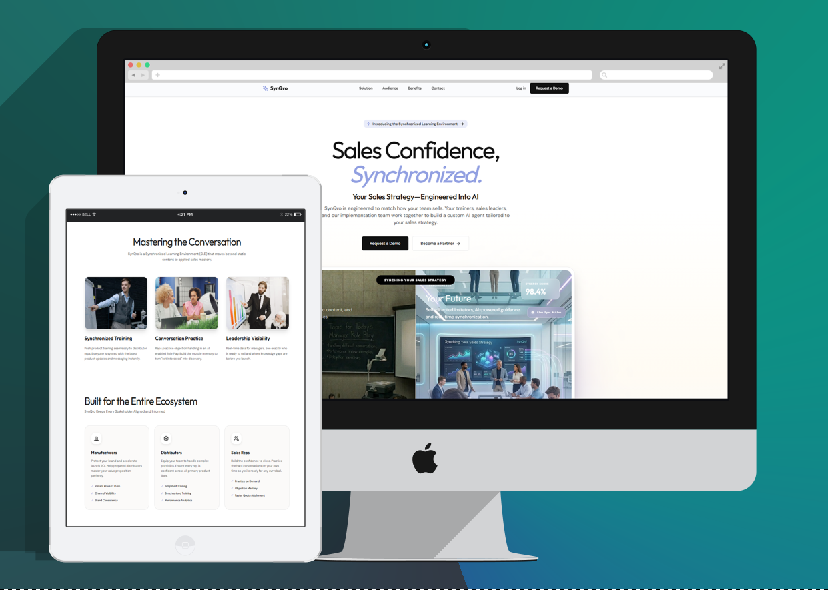
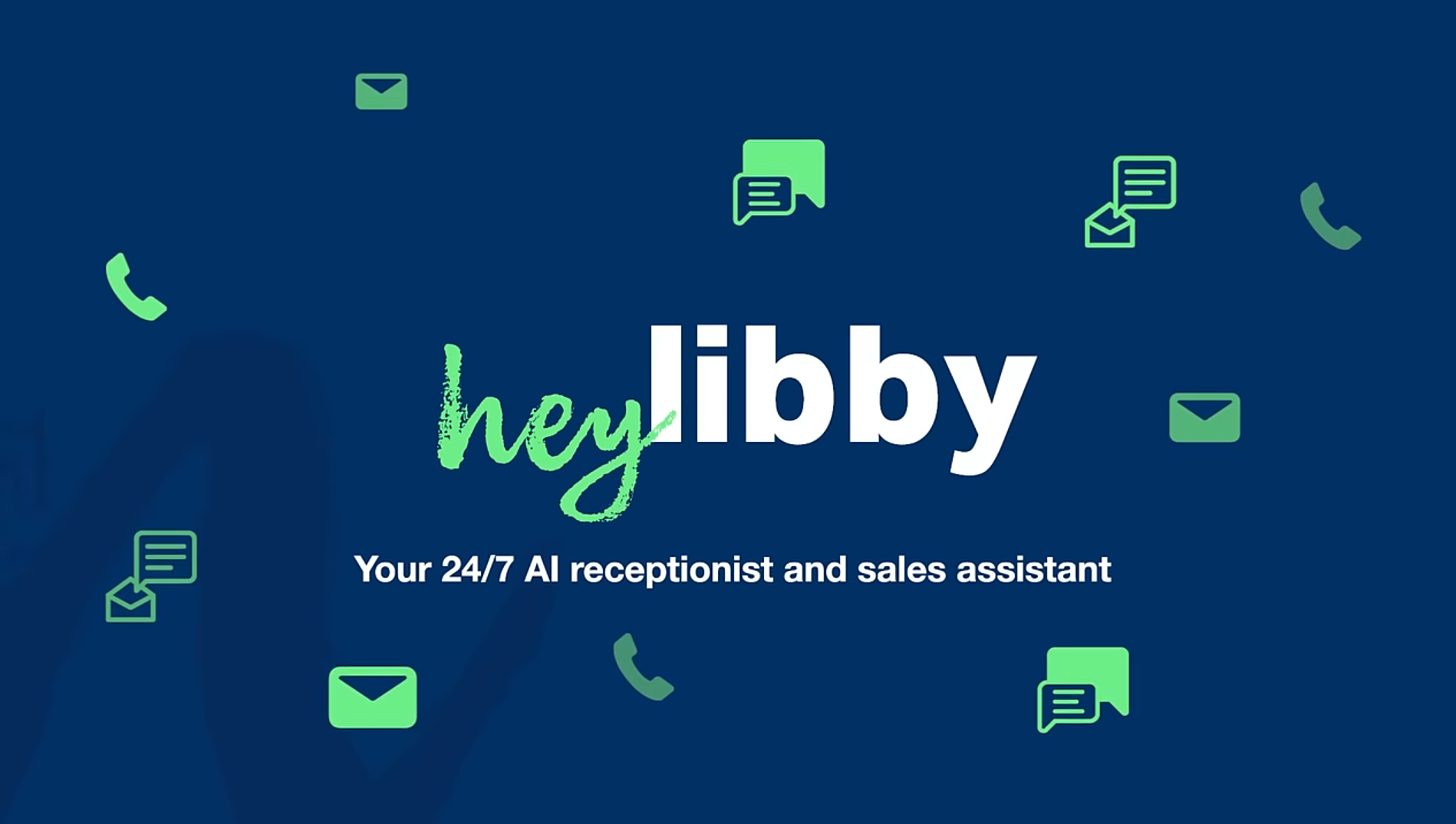
These examples show OpenAI and GPT working within broader SaaS and communications workflows rather than as isolated chatbot experiments.

ChatGPT Capabilities

GPT capabilities built around products and operations.

01

AI assistants inside SaaS products

Embed assistance into dashboards, portals and product workflows so users can work with the context already present in the application.

02

Conversational product experiences

Guide inquiries, intake, qualification and service interactions across text or voice while preserving conversation and workflow context.

03

Workflow automation with GPT

Use GPT for language-heavy steps such as understanding, classification and drafting, then let application logic govern controlled next actions.

04

Structured content and reports

Turn conversation or application context into consistent summaries, content and reporting outputs that downstream systems can use.

05

Business-context integration

Connect GPT to approved knowledge, product data and operational APIs so responses reflect the task and user experience at hand.

06

Human review and escalation

Design clear review, fallback and handoff paths for decisions or conversations that require human judgment and follow-through.

Production Architecture

How GPT fits into a production product architecture.

This conceptual system view explains common product layers, not the exact architecture of Synqro.ai, HeyLibby or any private implementation.

Implementation Patterns

Common ways GPT becomes useful inside working software.

The implementation pattern follows the product need. Details such as private prompts, authentication logic and proprietary function schemas remain protected.

Embedded product assistance

Place GPT inside a SaaS, web or mobile journey where it can respond using the current user and application context.

Operational API connections

Connect language understanding to controlled APIs so the surrounding application can validate and progress a workflow.

Structured output generation

Produce consistent structured results for reports, content, classifications or downstream application processing.

Conversation with business context

Combine the live interaction with approved product information, workflow state and relevant application data.

Reporting and summarization

Transform conversations or operational inputs into buyer-readable summaries and reporting-related AI outputs.

Assisted actions and fallback

Let GPT recommend or prepare a next step while application rules, human review and escalation preserve control.

Delivery Approach

Move from a useful AI interaction to a production workflow.

We focus testing on realistic product scenarios, integration boundaries and the path from model output to a controlled outcome.

1

Discover

Define the user need, business outcome and boundaries.

2

Design the AI interaction

Shape context, behavior, outputs and fallback paths.

3

Integrate the workflow

Connect the product, backend, data and controlled actions.

4

Test real scenarios

Evaluate expected journeys, edge cases and handoff needs.

5

Deploy, monitor & refine

Release into the product and evolve it from observed use.

Why Digital Sensei

Product engineering around the model.

A production GPT feature depends on more than the model call. Our work spans the product, backend and operational workflow around it.

Product-led implementation

We begin with the user journey and workflow outcome, then decide where GPT can play a useful role.

Full-stack SaaS capability

We can connect interface, application architecture, backend APIs, data and the AI layer in one product delivery path.

AI + backend integration

We design the application logic and validation that give model output the required context and operational boundaries.

Voice AI experience

Our delivered work includes GPT as the conversation layer inside coordinated telephony and speech workflows.

Multi-model exposure

Our product experience includes GPT alongside Claude and Gemini where broader workflow requirements justify it.

Post-launch evolution

We support monitoring, refinement and continued product work as real usage reveals the next priorities.

Broader AI Capability

ChatGPT is one option inside a wider AI and automation architecture.

This specialist page focuses on GPT/OpenAI product implementation. Our parent AI Agents & Business Automation service covers broader agentic workflows, platform-independent automation, multi-model systems and the combination of AI with deterministic business logic.

Related AI capabilities

Model-specific implementation support

Where product requirements justify another provider or a multi-model approach, explore these secondary specialist capabilities.

FAQ

ChatGPT development questions.

What does ChatGPT development include?

ChatGPT development can include conversational assistants, structured content or report generation, workflow automation, application context, API integration, product embedding, testing and human review or handoff paths.

Can ChatGPT be integrated into an existing SaaS or web application?

Yes. Digital Sensei can embed GPT-powered features into an existing SaaS, web or mobile product and connect them to the product's interface, backend and workflow context.

Can GPT models work with business APIs and application data?

Yes. GPT can work with approved knowledge, application data and controlled business APIs while the surrounding software manages permissions, validation, workflow state and critical actions.

Does Digital Sensei build Voice AI systems using GPT?

Yes. HeyLibby uses OpenAI / ChatGPT as the conversation LLM within a Voice AI workflow that also includes Twilio Media Streams, Deepgram, ElevenLabs, backend workflows and human handoff.

How do you decide between GPT, Claude and Gemini?

Model choice depends on the product's required capabilities, context, latency, integration constraints, cost and workflow needs. Digital Sensei can also support multi-model approaches when the product requirements justify them.

Have a product or workflow that could benefit from GPT?

Share the user journey, application context and operational outcome. Digital Sensei can help shape and deliver an OpenAI integration around the product, workflow, and business requirements.