Marketplace applications
Multi-role products connecting customers, merchants, providers, inventory, orders, services, and administration.
Digital Sensei Technologies designs cross-platform mobile products around the business workflow—not as isolated frontends. We connect the React Native app, backend, APIs, integrations, and operational systems needed to support iPhone and Android users.
Our React Native developers work across customer-facing mobile experiences and the APIs, dashboards, administration, and third-party services behind them.
Multi-role products connecting customers, merchants, providers, inventory, orders, services, and administration.
Mobile ordering, appointments, records, approvals, fulfillment, and connected pharmacy or care-team workflows.
Nearby discovery, event and road context, maps, geolocation, alerts, and location-aware business journeys.
Product discovery, offers, payments, bookings, order status, notifications, and customer account experiences.
Mobile experiences integrated with existing web platforms, shared accounts, APIs, roles, dashboards, and reporting.
Focused applications for field teams, drivers, service businesses, and workflows that must continue beyond the desk.
React Native helps teams share substantial product logic and interface work across platforms while still rendering native interface components and supporting native integrations where required.
Plan features and workflows once while respecting platform-specific behavior and user expectations.
Connect notifications, location, camera, payments, deep links, and permissions where the product requires them.
We recommend React Native when it fits the product—not as an automatic answer for every mobile application.
Each product below demonstrates a different mobile business model and a different combination of app, backend, data, integration, and administrative workflows.
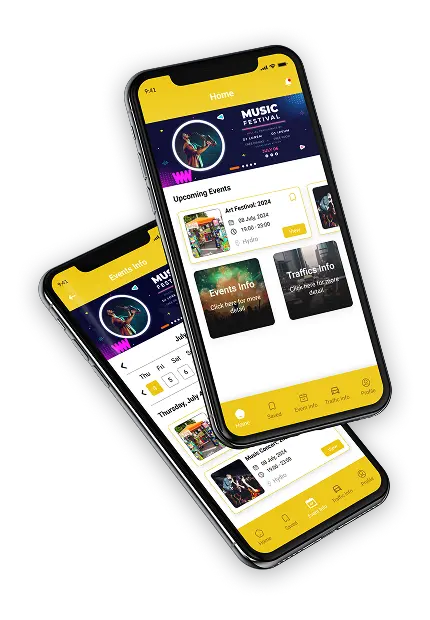
A React Native utility for private taxi drivers that aggregates relevant events from venues, football grounds and halls, and ticket or event sources. Drivers can favorite events and receive selected notifications, while scheduled backend workflows refresh event data and surface Glasgow road-closure alerts to help drivers understand relevant activity and potential demand areas.
React Native • Event Aggregation • Notifications • Scheduled Workflows • Location Context
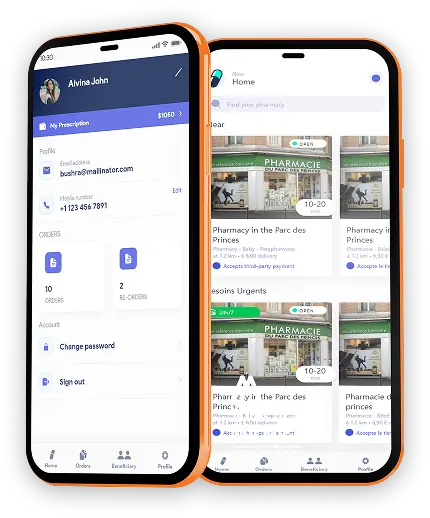
React Native applications for prescription and non-prescription medicine ordering. Pharmacies receive, review, price, and fulfill requests; customers approve before Stripe payment capture and choose pickup or delivery. The mobile apps work with pharmacy and admin workflows and evolved toward a multi-pharmacy SaaS model.
React Native • Pharmacy Workflows • Payments • APIs • Multi-role Product
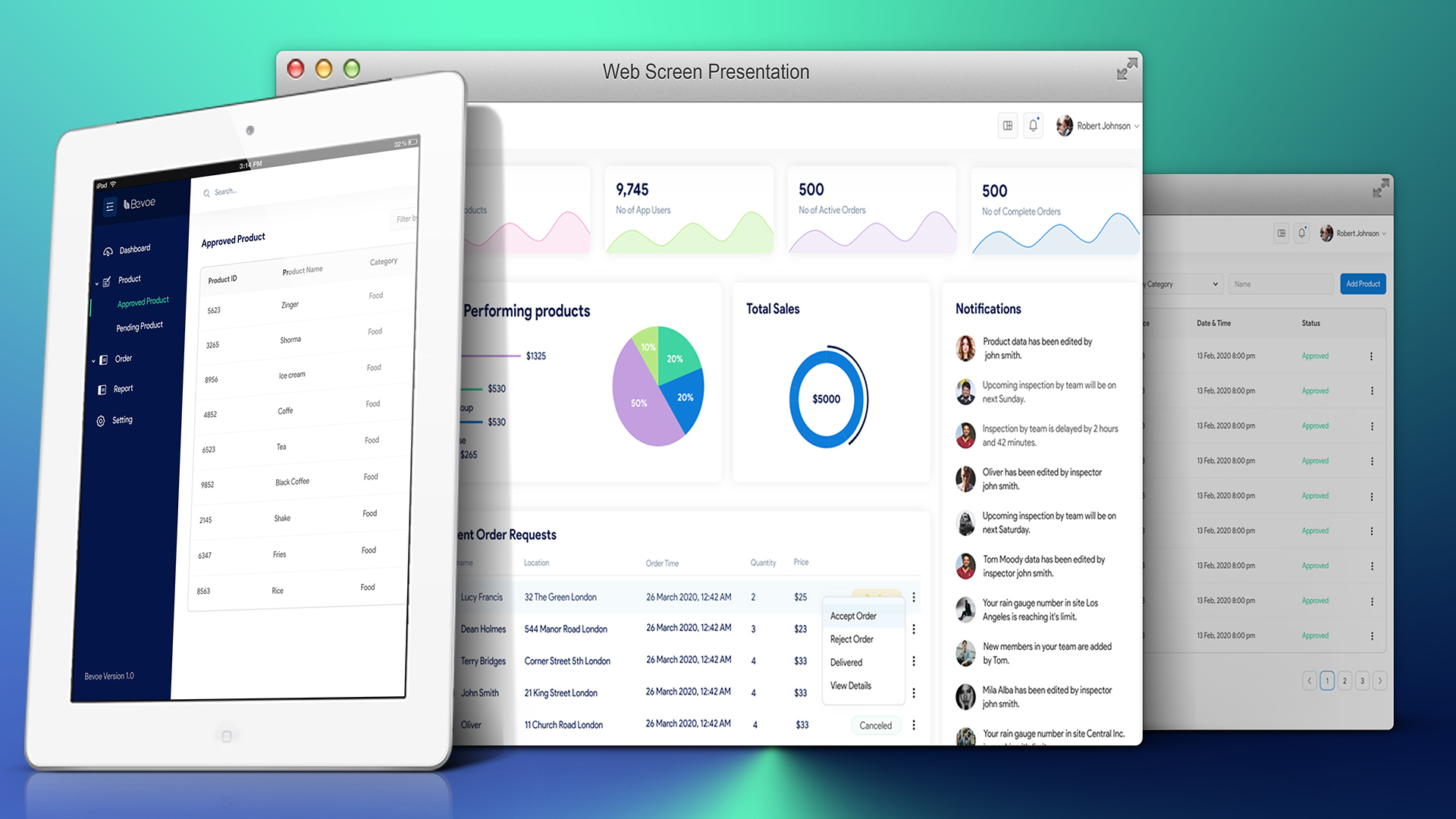
A local merchant and deals platform combining a React Native mobile application with admin workflows. Merchants onboard products, deals, and discounts; users discover nearby or postal-area offers and claim them for in-store use.
React Native • Location Services • Merchant Marketplace • Deal Discovery • Admin Portal
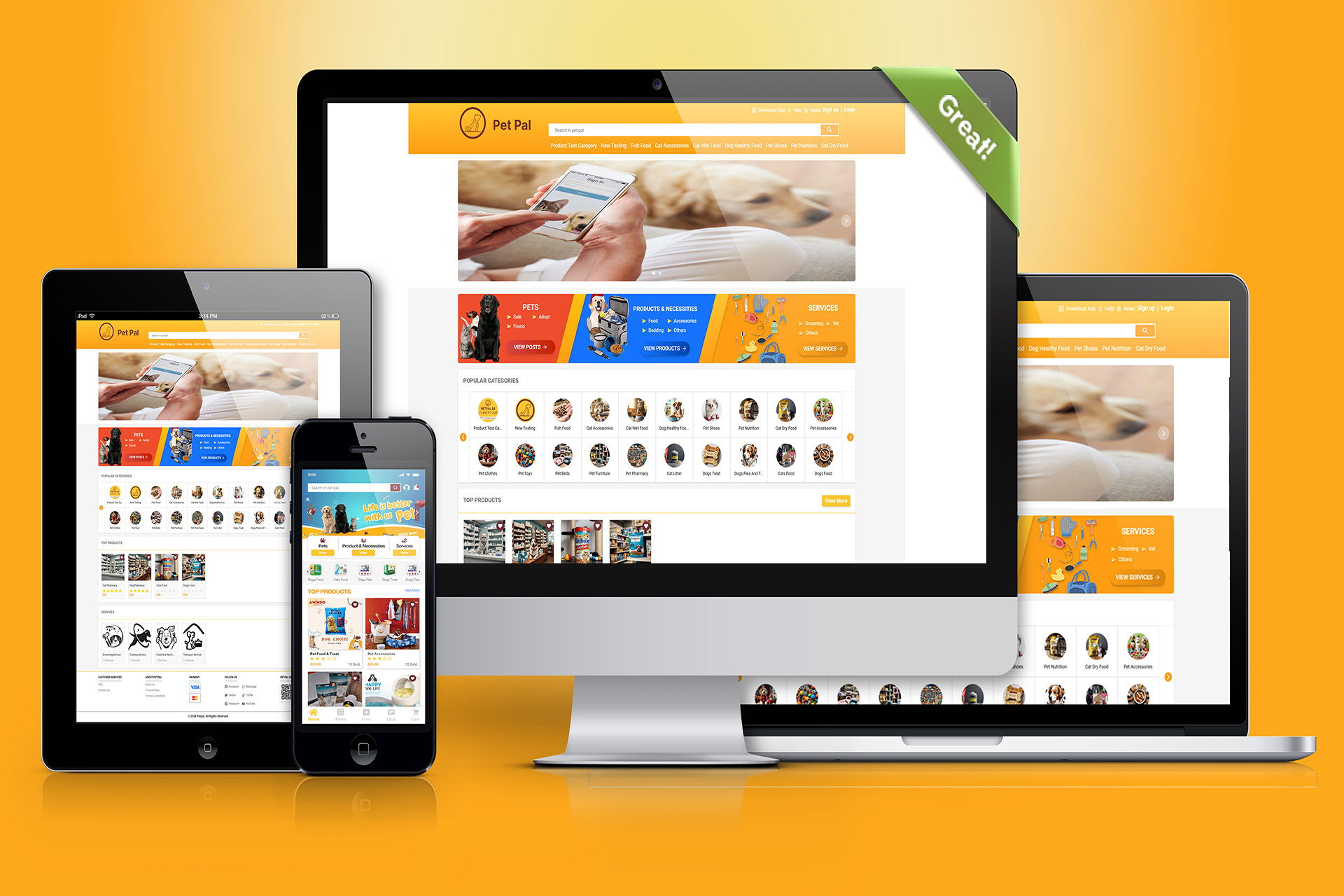
A multi-vendor pet marketplace with mobile functionality, merchant onboarding, pet products, grooming and boarding-style services, order workflows, marketplace management, and an administrative platform connecting customer and merchant operations.
React Native • Marketplace • Multi-vendor Workflows • Commerce • Services
Digital Sensei can deliver the React Native client and the supporting platform: API contracts, backend services, authentication, roles, data, integrations, admin portals, reporting, and cloud deployment.
iOS and Android interfaces, navigation, device permissions, and role-specific mobile workflows.
Node.js with Express or NestJS, REST APIs, authentication, MongoDB or PostgreSQL, and product business logic where appropriate.
Notifications, payments, location, maps, third-party integrations, admin portals, dashboards, analytics, and reporting as required.
Depending on the product, a custom React Native application can connect to the device and platform capabilities below.
Push notifications, event-driven messaging, and links that take users into the relevant application journey.
Location permissions, nearby discovery, mapping, and geographic context for mobile business workflows.
Camera access and secure file or image uploads for records, listings, identity flows, or operational evidence.
Customer, merchant, staff, provider, and administrator access connected to backend permissions.
Payment providers and transactional application flows designed around ordering, booking, approval, or marketplace rules.
Build configuration, release preparation, and support for Apple App Store and Google Play submission workflows.
Understand users, platforms, business workflows, operational requirements, and product priorities.
Define mobile and backend boundaries, APIs, data, roles, integrations, and platform-specific needs.
Develop the React Native application and the supporting services or administrative experiences it requires.
Connect notifications, payments, location, device capabilities, external APIs, and admin workflows.
Validate user journeys across Android, iOS, screen sizes, permissions, integrations, and device scenarios.
Support deployment, monitor the released product, and continue iteration as users and requirements evolve.
React Native often fits when significant functionality is shared between Android and iOS, the product is API and workflow driven, and platform-specific integrations remain manageable.
Companies searching for hybrid mobile app development often want one product team to serve Android and iPhone users. React Native is more accurately a cross-platform approach: it renders native interface components and can support native integrations rather than relying on a traditional WebView architecture.
Native iOS and Android development may be more appropriate for highly platform-specific experiences, specialized hardware or device requirements, or products whose defining needs strongly favor native tooling.
We evaluate the product, integrations, team, roadmap, and operational requirements before recommending an architecture.
A React Native development company should understand the operating model behind the app, not only the mobile screens.
Business workflows, mobile UX, platform choices, backend requirements, and delivery trade-offs stay connected from the start.
We can deliver the app, APIs, authentication, data, integrations, admin portals, dashboards, deployment, and ongoing product evolution.
Our work includes mobility, pharmacy, local commerce, marketplaces, and SaaS. Since 2020, Digital Sensei has delivered 50+ applications and software solutions overall.
Yes. React Native supports coordinated iOS and Android app development from a shared product foundation while allowing platform-specific code and integrations where needed.
It can be a strong MVP choice when the product needs both platforms and much of the experience is shared, but we still evaluate integrations, device needs, and the longer-term roadmap first.
Yes. Architecture, API design, data models, testing, and product discipline matter more than the MVP label. React Native can support evolving production products when those foundations are planned well.
React Native is cross-platform technology that renders native interface components. It is not the same architecture as traditional hybrid applications that primarily display the product in a WebView.
Yes. We can build the React Native app, APIs, backend services, authentication, database, integrations, admin portal, and reporting needed for the wider product.
Yes. We first review the API contracts, authentication, error handling, data flows, and mobile requirements, then integrate or identify backend changes needed for a dependable application.
Yes. These are common capabilities, but the provider, permission model, platform behavior, and workflow should be selected for the specific product.
Yes. We can assess the current codebase, product gaps, APIs, dependencies, and release risks before planning completion or staged modernization work.
We compare shared functionality, platform-specific requirements, device integrations, user experience, team needs, and roadmap rather than treating either approach as universally better.
Yes. Many mobile products require web-based administration, merchant or staff workflows, reporting, content management, and operational dashboards.
Yes. We can prepare builds and support release workflows for both stores, including the technical configuration and submission materials supplied for the product.
Bring us the business workflow, existing platform, or partially built application. We can help define the mobile architecture, integrations, and practical next delivery step.