When browser access is central
Web applications fit desktop-heavy workflows, dashboards, admin tools, shareable URLs and experiences where installation is unnecessary.
Digital Sensei designs and delivers connected web and mobile products, combining user-facing applications with backend APIs, admin workflows, integrations, production deployment and post-launch support.
Choose delivery channels around user behavior, operating workflows, product goals, platform needs, budget, maintenance and existing systems—not a trend.
Web applications fit desktop-heavy workflows, dashboards, admin tools, shareable URLs and experiences where installation is unnecessary.
Mobile applications fit frequent quick access, notifications, location or device capabilities, and workflows designed primarily for people away from a desk.
Customers may use mobile while operations teams work in a web admin portal, or a web customer portal may connect to a field-worker mobile application.
The product shape follows the people using it and the work it must support. It may be web-only, mobile-only, or a connected set of customer and operational applications.
Responsive React and Next.js applications, customer portals, product interfaces and dashboards.
React Native product delivery for iOS and Android with cross-platform engineering and platform-aware implementation.
Administration, reporting, approvals, product management and workflow control for the people running the product.
Listings, search, orders, bidding, offers, payments and multi-role marketplace workflows.
Appointments, requests, availability, notifications and status-driven service workflows.
Web, mobile and admin experiences supported by shared APIs, data, integrations and cloud delivery.
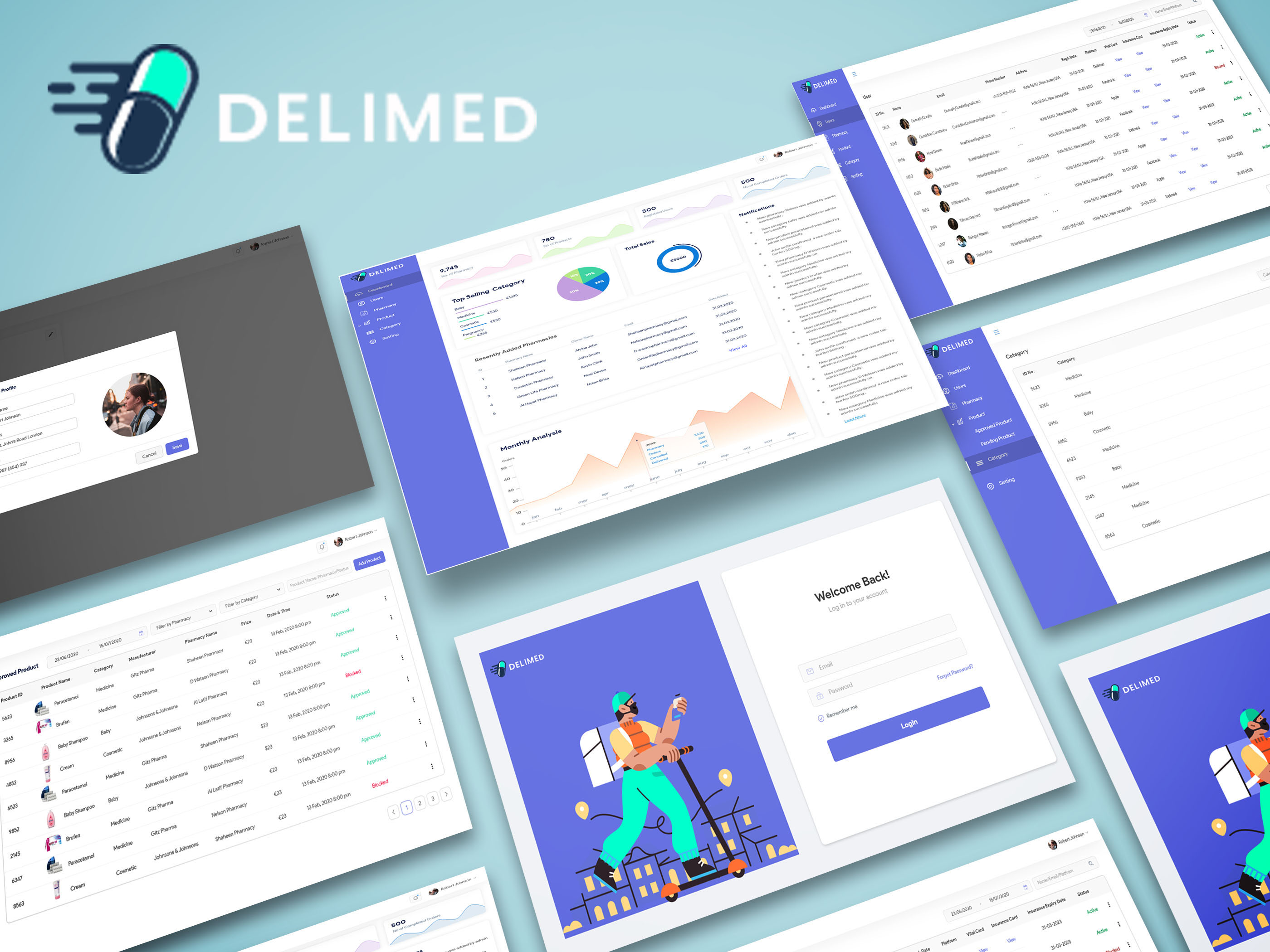
These projects show different product shapes: a connected pharmacy workflow, purpose-built mobile applications, operational portals, a multi-vendor marketplace and a sophisticated browser-based SaaS product.
A Paris medicine and pharmacy ordering platform connecting customer-facing web and mobile experiences with admin and pharmacy workflows. The MERN-based product coordinates prescription and non-prescription ordering, pharmacy pricing and fulfilment, customer approval, Stripe capture after approval, and pickup or delivery.
MERN • React Native • Web + Mobile • Stripe • Multi-role Workflows
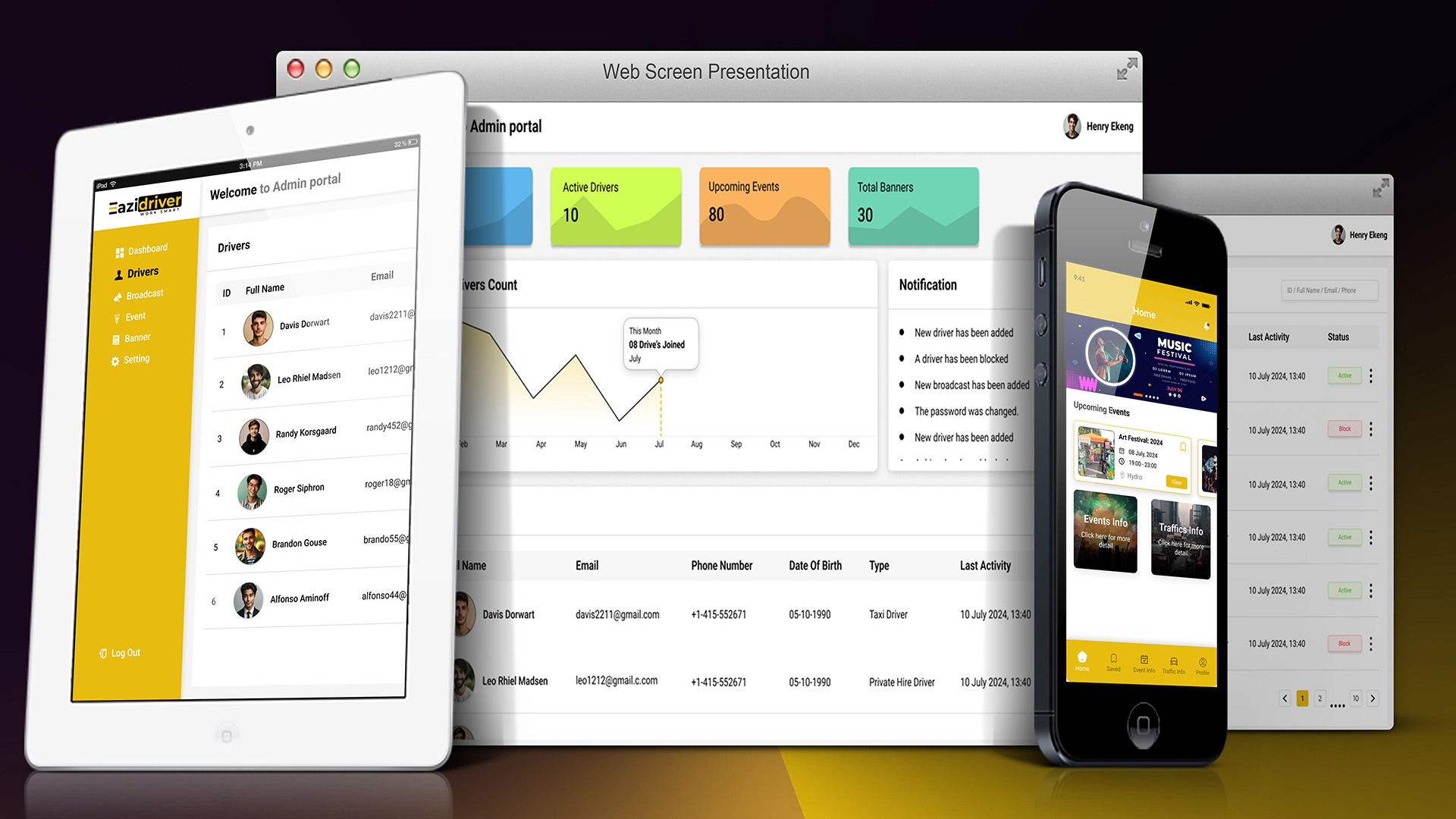
A React Native application for private taxi drivers in Glasgow, aggregating relevant events with favorites, notifications, scheduled data updates and Glasgow road-closure alerts.
React Native • Notifications • Data Aggregation • Scheduled Updates
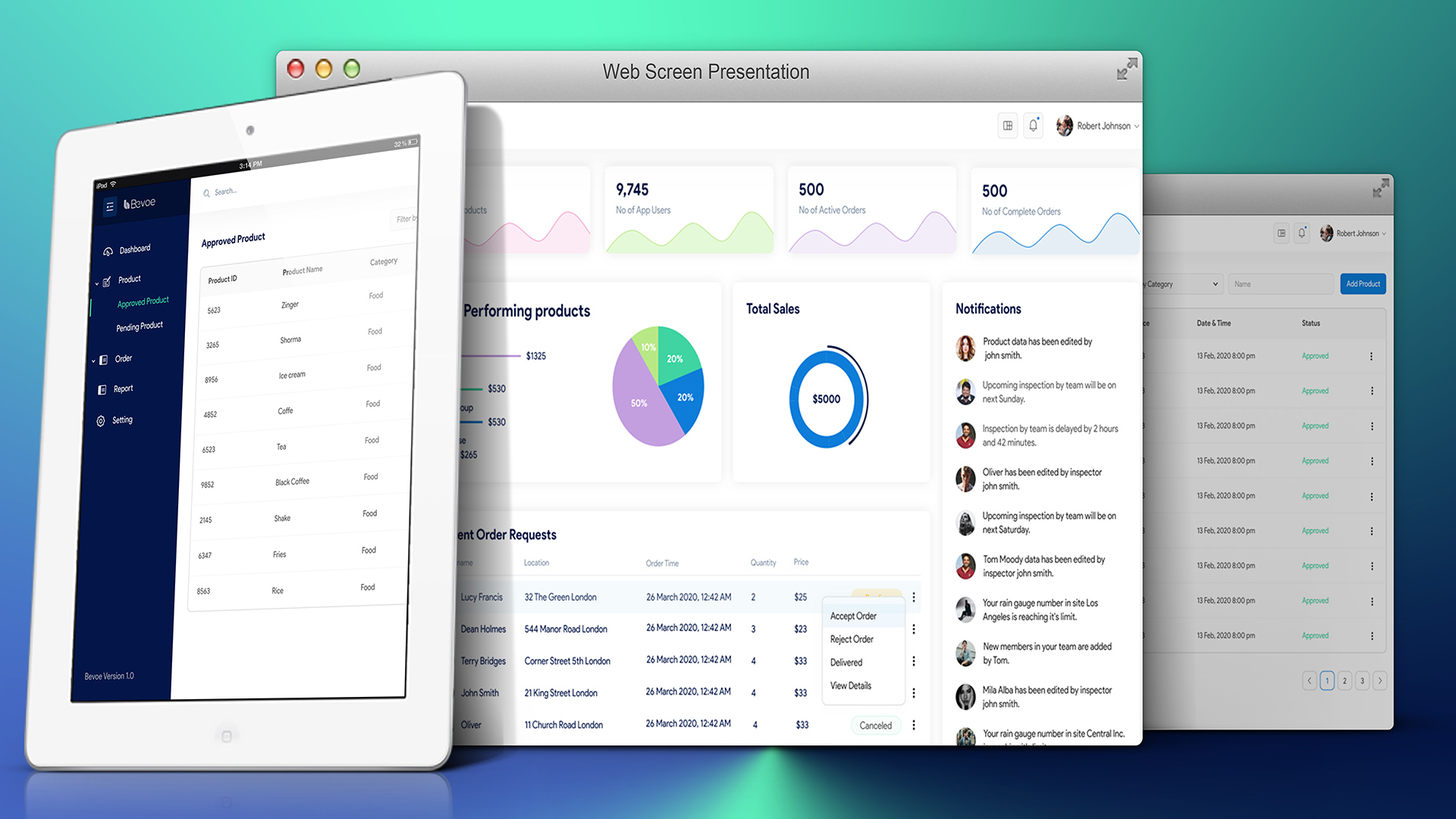
A UK local merchant and deals platform combining a React Native customer application with an admin portal, merchant onboarding, offer management, postal-area discovery and in-store offer claiming.
React Native • Admin Portal • Merchant Workflows • Location Discovery
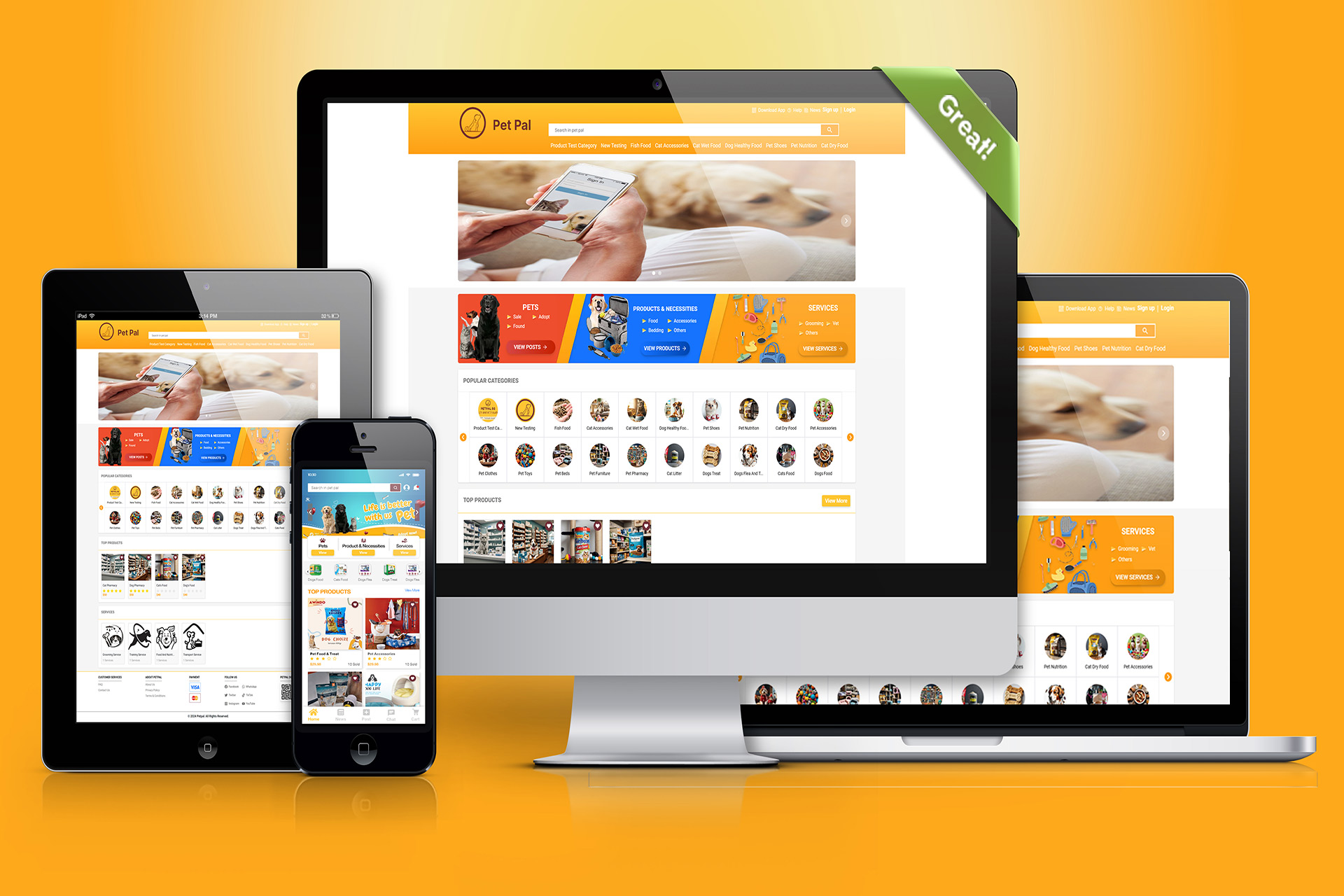
A Singapore multi-vendor pet marketplace with mobile experiences, super-admin and merchant onboarding across products, listings, orders, grooming and pet hoteling workflows.
React Native • Marketplace • Multi-vendor • Products & Services
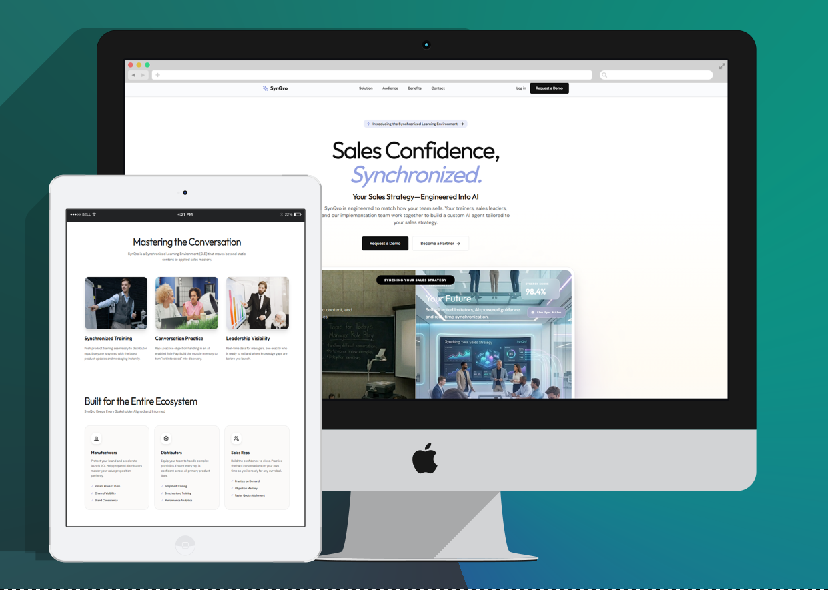
A React-based sales-enablement SaaS product with role-aware customer and admin interfaces, conversation practice, coaching, reporting, NestJS APIs, PostgreSQL data, and connected AI and voice services.
React • SaaS • Dashboards • APIs • AI Integrations
This is an example architecture pattern, not a prescribed stack. A product should include only the channels and components its users, workflows and operating model require.
React or Next.js web applications, React Native mobile applications for iOS and Android, and admin or operations portals.
Node.js, Express or NestJS services coordinate REST APIs, authentication, roles and business workflows.
PostgreSQL or MongoDB can support the data model according to its structure, relationships and operating needs.
Payments, notifications, AI, telephony, location services, external APIs and third-party platforms connect where useful.
AWS, DigitalOcean or Vercel can support appropriate web, API and product deployment requirements.
Common services can keep web, mobile and admin workflows aligned while each interface remains appropriate for its users.
Digital Sensei builds responsive React applications, SaaS dashboards, customer and admin portals, marketplaces and business applications. Next.js is used when its routing, rendering model and application architecture suit the product—not as a default for every React application.
React Native supports shared product engineering across iOS and Android while still allowing platform-specific requirements to be handled deliberately. It is a cross-platform native application framework, not a traditional WebView-based hybrid approach, and it does not eliminate every native or platform-specific task.
Many mobile and customer-facing products need a web-based operational interface for the people who manage users, merchants, content, products, orders, settings and workflows.
User, merchant, content and product management can give operations teams appropriate oversight and control.
Approvals, order oversight, status changes and operational actions can connect directly to the customer experience.
Reporting, configurable settings and role-appropriate views help teams operate and improve the product.
Bevoe, Delimed, PetPal and Synqro demonstrate different combinations of customer experiences, merchant or operational workflows, administration and reporting.
Web and mobile experiences can connect through REST APIs, authentication, roles, data, payments, notifications, scheduled jobs, AI, telephony and external platforms. The exact combination follows the workflow and existing environment.
Digital Sensei can assess inherited React applications, React Native products, partially completed mobile apps, outdated interfaces, and backend or API problems affecting the user experience.
Assess the existing product → identify worthwhile improvements → modernize incrementally → avoid an unnecessary rewrite.
Upgrade paths depend on assessment of the current codebase, dependencies and product constraints.
Delivery connects experience design, architecture and engineering so web, mobile, admin and backend workflows are validated as one product.
Understand users, platforms, workflows, business needs and existing systems.
Define interfaces, backend boundaries, data, roles and integrations.
Implement the appropriate web, mobile, admin and backend components.
Connect services and validate workflows across relevant devices and platforms.
Release web and backend infrastructure and prepare mobile delivery as required. Mobile store review remains controlled by the relevant platform.
Maintain, improve and extend the product after launch.
Support can be fixed-term, ongoing or arranged through flexible engineering resources according to the product and operating needs.
Address web and mobile issues, backend changes, deployment needs and integration problems.
Handle appropriate OS compatibility updates, dependency changes and evolving third-party services.
Continue feature development, product modernization and ongoing engineering as priorities change.
Digital Sensei brings customer experience, business workflow and full-stack product delivery into the same engineering conversation.
We start with users, workflows and product goals before choosing web, mobile or a connected approach.
Web, mobile, backend, API, data and integration knowledge supports coherent end-to-end product delivery.
Real product experience, senior technical involvement and cross-functional delivery can continue into support and evolution.
Digital agencies and technology partners can also engage Digital Sensei when additional web, mobile or full-product engineering capability is required.
Yes. Digital Sensei builds web applications, mobile applications and connected products where web, mobile, admin and backend services work together.
It depends on user behavior, workflow, platform capabilities, budget and maintenance. We map those needs before recommending one channel or a connected product.
Yes. Digital Sensei uses React for customer products, portals, dashboards, marketplaces, administration and other interactive web applications.
Yes. We use Next.js when its routing, rendering and application architecture fit the product requirements; it is not required for every React application.
Yes. Digital Sensei builds React Native product applications and integrates them with APIs, authentication, data, notifications, location services and other product capabilities.
Yes. React Native supports shared cross-platform engineering for iOS and Android, while platform-specific requirements may still need platform-aware implementation.
No. React Native is a cross-platform native application framework, not a traditional WebView-based hybrid approach.
Yes. An admin or operations portal can support users, merchants, content, orders, approvals, reporting, settings and other appropriate product workflows.
Yes. Digital Sensei builds backend services and REST APIs with authentication, roles, business logic and PostgreSQL or MongoDB data layers.
Yes. We integrate payments, notifications, external APIs and connected services when they are relevant to the product workflow.
Yes, after assessing the codebase, dependencies, architecture, current problems and the features that need to continue.
Yes. Modernization may cover interfaces, architecture, performance, reliability, backend services and integrations, with incremental improvement preferred where practical.
Yes. Verified delivery experience includes marketplaces, orders, services, merchant workflows, appointments, availability, notifications and status-driven products.
Yes. Support can cover maintenance, issue resolution, platform updates, backend and integration changes, feature development, deployment and modernization.
It starts with the users, product goals, workflow, existing systems and operating constraints so the right channels and architecture can be defined.
Share the users, workflow and product experience you want to build. Digital Sensei can help determine the right combination of web, mobile, backend and integrations.