The frontend needs a backend
Turn an existing web or mobile experience into a connected product with APIs, data, authentication, admin support, and production delivery.
Digital Sensei designs and builds backend systems that connect product workflows, users, data, and external services—from APIs and databases through integrations, production deployment, and ongoing evolution.
We look beyond endpoints and database tables to understand business rules, users, workflow states, data relationships, API consumers, external systems, and the way the product needs to evolve.
Turn an existing web or mobile experience into a connected product with APIs, data, authentication, admin support, and production delivery.
Reshape scattered conditions and workflow states into backend logic that reflects how users, operators, and the business actually work.
Clarify authentication, user roles, permissions, sessions, and administrative boundaries across connected applications.
Connect payments, notifications, telephony, AI services, devices, and third-party platforms through purposeful integration workflows.
Improve data models, service structure, APIs, or fragile integrations incrementally when a full rewrite is neither necessary nor practical.
Make application configuration, hosting decisions, deployment, troubleshooting, and post-launch support part of one practical delivery path.
Each technical choice follows the product workflow, operating constraints, integration requirements, and the teams and applications that will consume the backend.
Node.js, Express, and NestJS services for business logic, workflow orchestration, administrative operations, and backend application development.
Structured endpoints for React, Next.js, React Native, service integrations, and documented API contracts where appropriate.
PostgreSQL and MongoDB data modeling shaped around relationships, transactions, evolving structures, and query requirements.
Authentication, sessions and access patterns, user roles, permissions, and appropriate boundaries for customers, teams, and administrators.
Payments, notifications, AI, Voice AI, telephony, devices, business services, and custom third-party API integration.
AWS, DigitalOcean, Vercel where suitable, and Linux/Nginx configuration, deployment, troubleshooting, and infrastructure assistance.
These products required different backend decisions. Together, they show how Digital Sensei connects business rules, users, data, external services, web and mobile applications, and production delivery.
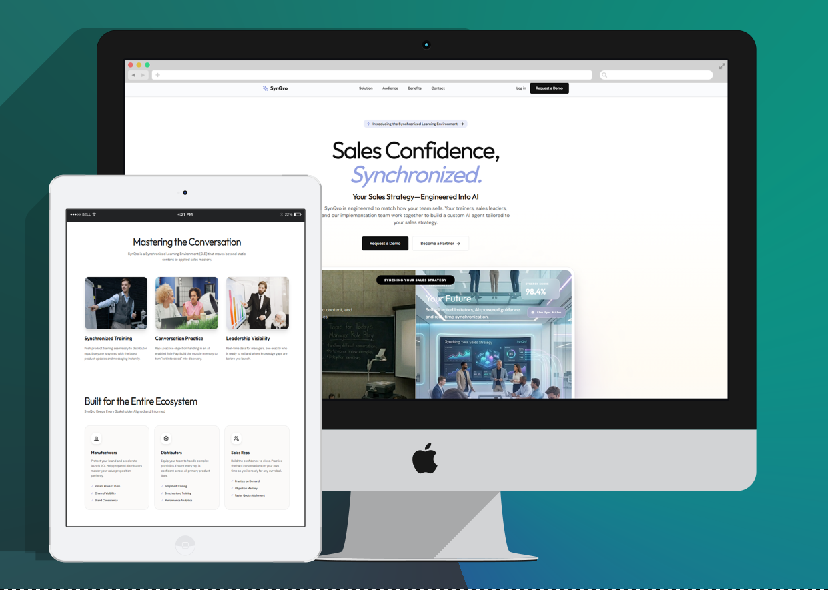
A React-based SaaS product with a structured NestJS backend, PostgreSQL-backed application data, backend APIs, users and organizations, role-aware workflows, authentication and session architecture, reporting, and admin and customer-facing applications.
Conversational workflows connect with Retell AI, and the system has been prepared for production deployment without separating the integration work from the wider product architecture.
NestJS • PostgreSQL • REST APIs • Roles • AI Integrations
A 24/7 AI voice agent and virtual receptionist whose backend workflows coordinate phone conversations, business and service answers, requirement gathering, lead qualification, booking, multilingual voice experiences, and human handoff.
Twilio • OpenAI • Deepgram • ElevenLabs • Voice Workflow Integration
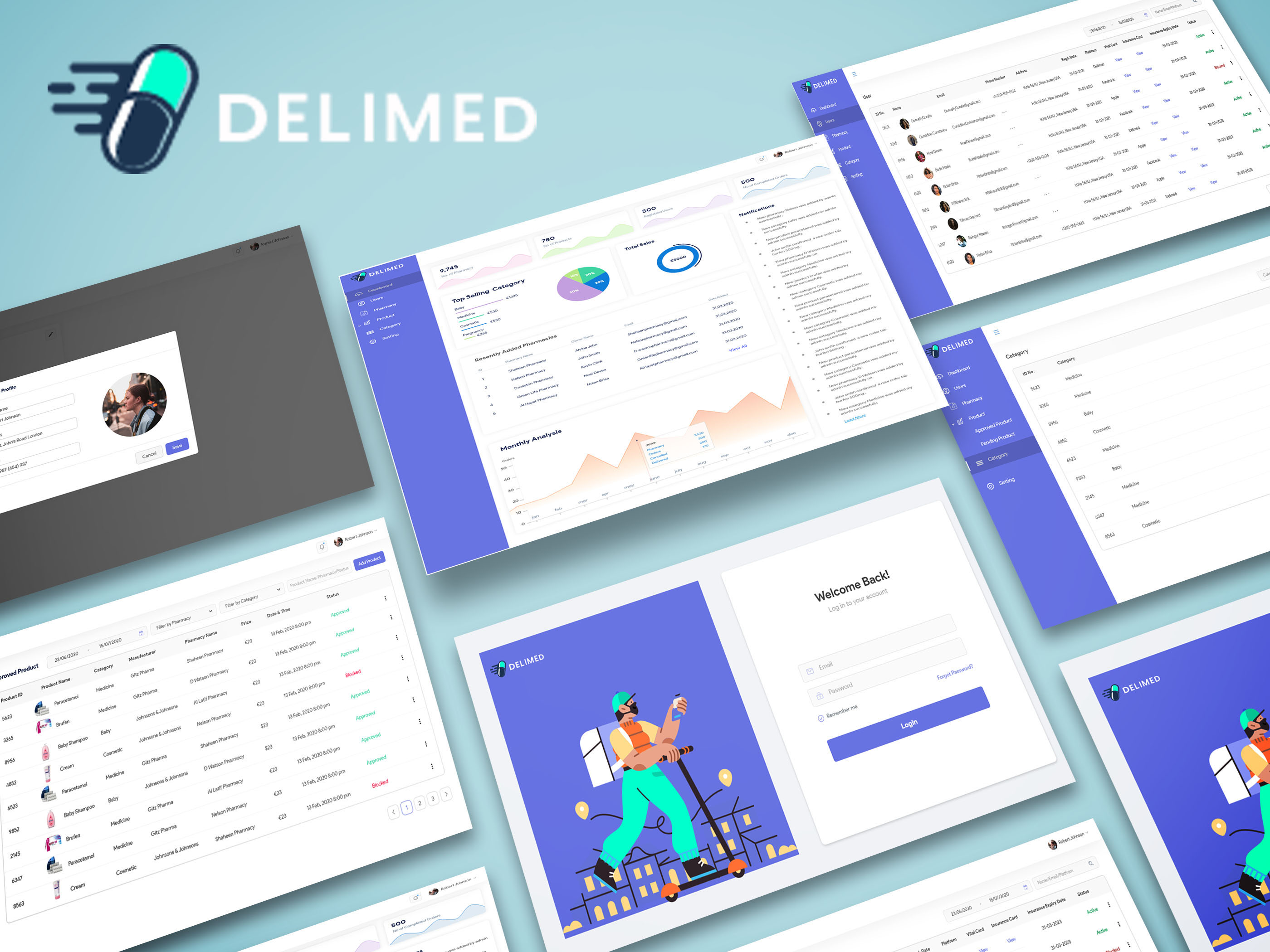
A Paris medicine-ordering platform connecting customer, pharmacy, and administrative workflows. Its backend supports prescription and non-prescription requests, pharmacy pricing, customer approval, Stripe capture after approval, pickup or delivery, and web/mobile API consumers.
Node.js • APIs • Stripe • Multi-role Workflows • Web + Mobile
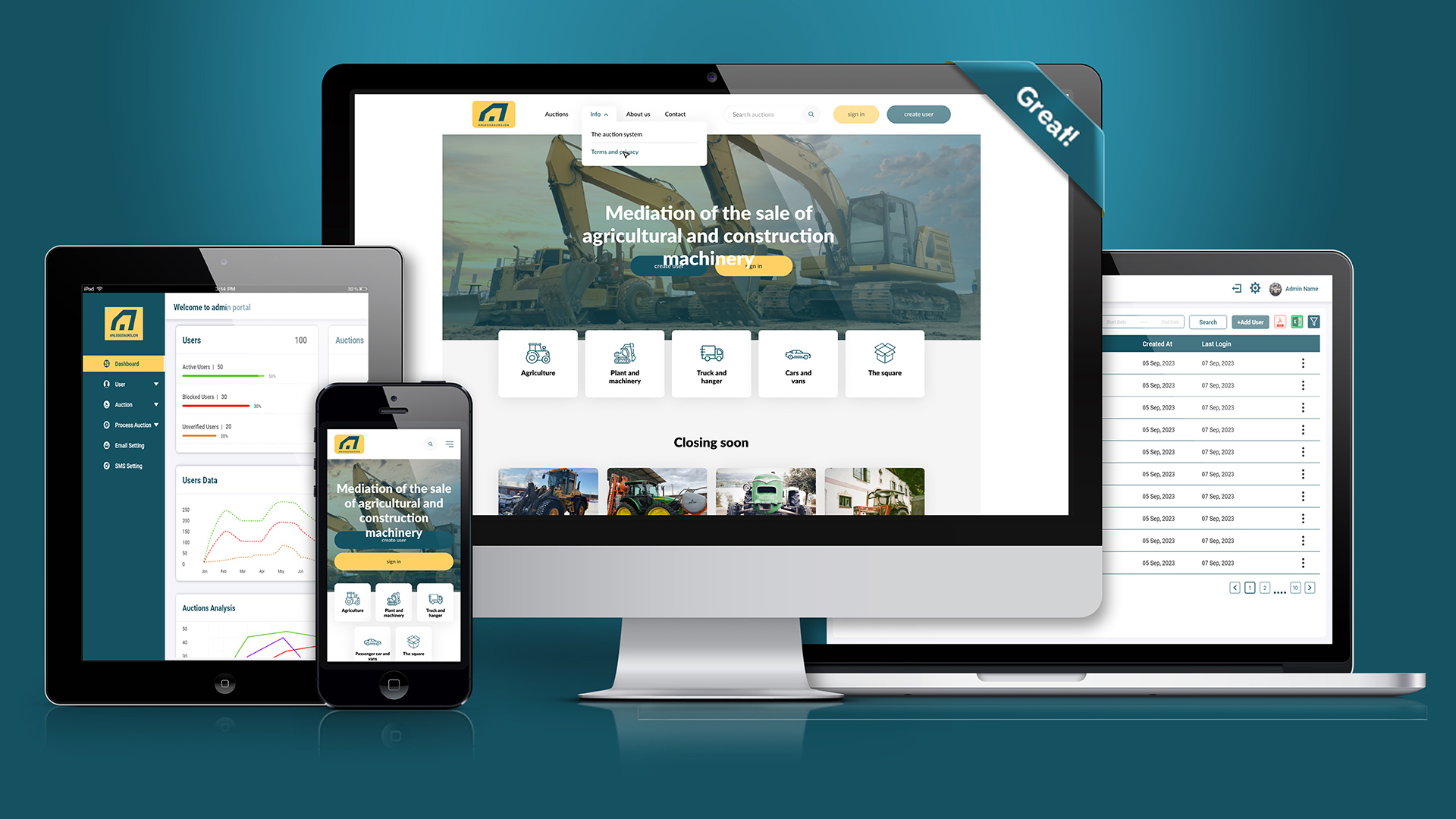
Anleggsauksjon is an operational equipment auction platform serving the Norwegian market. Its backend coordinates configurable category and listing forms, auction state, bidding and maximum auto-bids, outbid notifications, highest-bidder handling, and operator commission processes.
Node.js • Marketplace Logic • Auto-Bidding • Notifications • Configurable Workflows
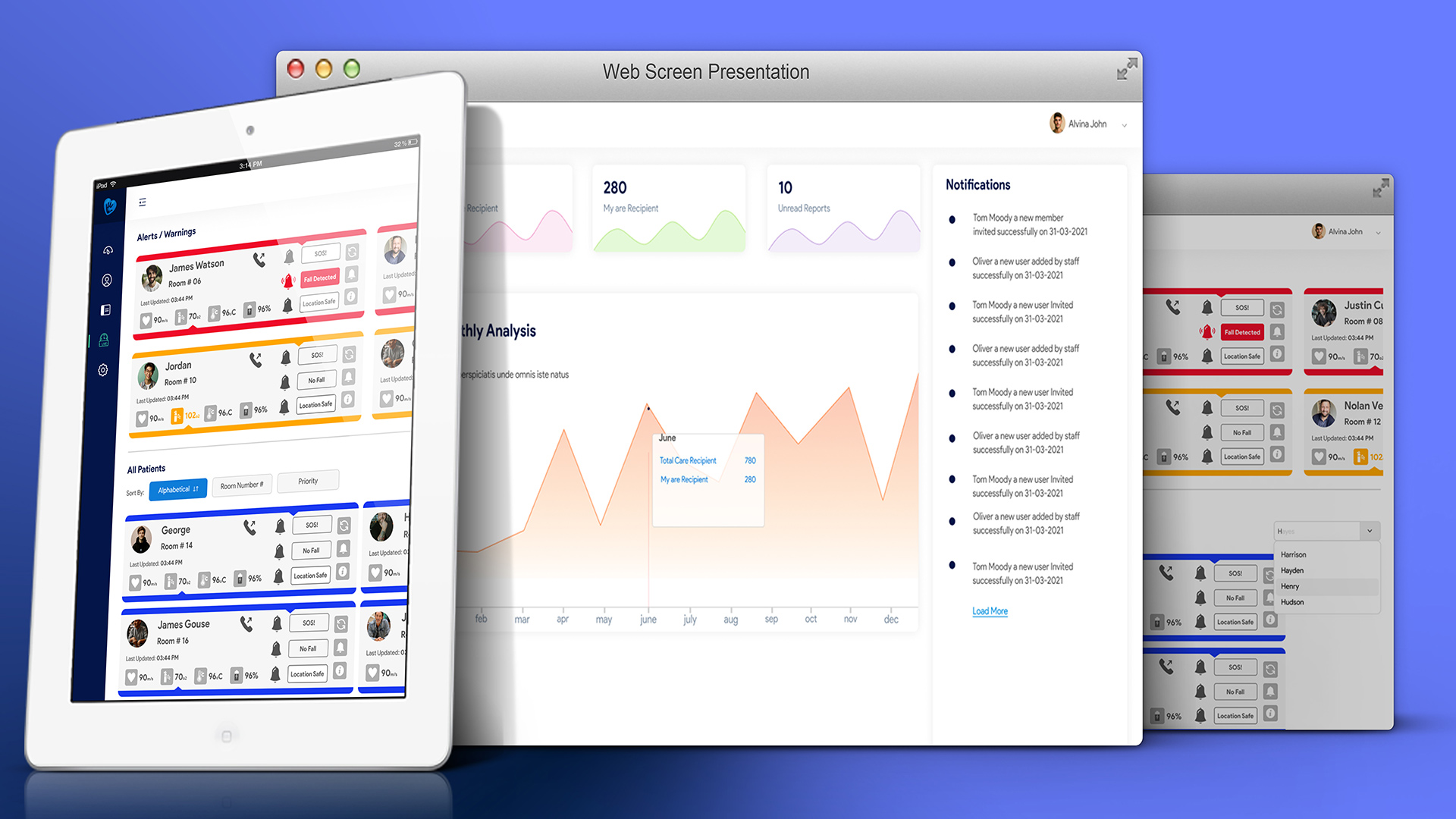
A Canadian care-management SaaS with onboarding, centralized care records, configurable questions and workflows, patient history, care-team operations, wearable and sensor integration, monitoring, and threshold alerts. Its backend behavior continues to evolve with the product.
MERN • Data Workflows • Integrations • Monitoring • Alerts
Product workflows, data relationships, API consumers, integration requirements, maintainability, and operating constraints determine the appropriate boundaries and technology choices. The layers below show the areas we connect; they are not a mandatory stack for every project.
React, Next.js, React Native, admin portals, and customer applications consume dependable backend capabilities.
Node.js provides the runtime and ecosystem; Express suits flexible, lightweight services, while NestJS suits products that benefit from stronger modular structure and dependency organization.
PostgreSQL is a strong fit for relational structure, transactions, and structured queries. MongoDB is useful when document-oriented flexibility better suits evolving domain data. Neither is universally better.
Payments, notifications, AI, voice, telephony, and third-party platforms connect to production delivery on AWS, DigitalOcean, Vercel, or Linux/Nginx where appropriate.
API integration is more than sending a request. We account for authentication, data mapping, workflow synchronization, failures, appropriate retry behavior, state management, and the outcome users need to see.
Stripe payment workflows, email and application notifications, and business rules that keep user-facing and operational states aligned.
Verified experience connecting Twilio, Retell AI, Deepgram, and ElevenLabs to phone, streaming, conversational, booking, qualification, and handoff workflows.
OpenAI and other verified AI service integrations connected to appropriate product context, backend rules, application data, and user workflows.
Sensor and wearable integrations, external business systems, and custom third-party APIs with careful data and state mapping.
Purpose-built API development for web, mobile, admin, partner, and system-to-system consumers, with clear contracts and maintainable service boundaries.
Assessment and improvement of inherited or fragile integrations, including error handling, workflow clarity, and feature continuation without assuming a rewrite.
Digital Sensei can take responsibility for backend engineering as a defined technical workstream. You do not need to hand over the entire frontend project.
Digital agencies and technology partners can also engage Digital Sensei for backend, API, or integration capability when an additional engineering workstream is required.
We first identify product priorities, existing constraints, operational risk, service and data boundaries, and what can be improved safely. A rewrite is not the default recommendation.
The practical path may be incremental: stabilize an integration, clarify API behavior, improve a data model, reorganize selected services, or introduce NestJS gradually where its structure provides real value.
Cloud delivery stays connected to application requirements. Digital Sensei has practical deployment exposure across AWS, DigitalOcean, Vercel, Linux, and Nginx, selecting services according to the product rather than prescribing one platform.
Application and environment configuration, frontend/backend hosting decisions, and release preparation appropriate to the system.
Application process deployment and practical delivery to AWS, DigitalOcean, or Vercel where the chosen architecture makes them suitable.
Domain and HTTPS configuration plus Linux/Nginx reverse-proxy setup where relevant to the production environment.
Deployment troubleshooting, infrastructure assistance, backend maintenance, and continued product engineering after launch.
Architecture, backend engineering, frontend/mobile integration, QA, deployment, and ongoing support stay aligned around the product requirements.
Understand product workflows, API consumers, data, existing systems, constraints, and integration requirements.
Define service boundaries, data models, API contracts, roles, integrations, and suitable technology choices.
Implement backend application logic, REST APIs, authentication, access control, and data workflows.
Connect external systems and validate end-to-end workflows across frontend, mobile, backend, and integration boundaries.
Configure and release the application into the production environment appropriate to its architecture.
Maintain, troubleshoot, improve, and extend backend capability as the product and business requirements evolve.
A backend development company should understand what the system must enable, not only the code it must contain. Digital Sensei can coordinate architecture, backend engineering, frontend/mobile integration, QA, DevOps, deployment, and ongoing support around the actual engagement.
Business rules, users, roles, states, data relationships, integration requirements, and operating constraints shape the backend design.
Experience across React, Next.js, React Native, backend services, data, and administration helps keep APIs aligned with the experiences consuming them.
Verified work spans payments, notifications, AI, voice, telephony, wearables, sensors, and external platforms in functioning product workflows.
Backend decisions stay connected to lifecycle states, permissions, relationships, transactions, reporting needs, and future change.
Important requirements, architecture decisions, and technical risks remain close to experienced technical leadership throughout delivery.
Deployment, issue resolution, modernization, infrastructure assistance, and continued backend development can follow the first release.
Digital Sensei works with Node.js, Express, NestJS, REST APIs, PostgreSQL, and MongoDB, alongside authentication, integration, deployment, and web/mobile application technologies. The stack is selected around the product requirements.
Yes. We build custom REST APIs for web applications, React Native apps, admin portals, external services, and system-to-system communication.
Yes. Backend engineering can be a defined workstream covering APIs, data models, authentication, admin support, notifications, integrations, and cloud deployment without requiring ownership of the entire frontend.
Yes. Node.js is part of our backend development ecosystem, and we use NestJS where its modular organization and maintainable application structure suit the product.
Express can be a strong choice for flexible, lightweight Node.js APIs and application services. NestJS can suit products that benefit from stronger modular structure, dependency organization, and architectural conventions. Neither is an automatic choice.
Yes. PostgreSQL is often a strong fit for relational data, transactions, important relationships, and structured querying. MongoDB can suit domains where document-oriented flexibility and evolving structures are useful.
Yes. Integration work can cover authentication, data mapping, workflow synchronization, state management, failures, appropriate retries, and clear user-facing outcomes.
Yes. Digital Sensei has verified Stripe integration experience, including Delimed's approval-before-capture ordering workflow. The exact payment design depends on the product and provider requirements.
Yes. Verified experience includes OpenAI, Retell AI, Twilio, Deepgram, and ElevenLabs integrations connected to real conversational, qualification, booking, training, and handoff workflows.
Yes. We can assess inherited Node.js or Express applications, partially built APIs, service layers, integrations, data models, and deployment arrangements before defining the next useful work.
Not automatically. We assess the codebase, risks, product priorities, constraints, and operating needs first, then modernize incrementally where that is the safer and more practical path.
Yes. Backend work can include authentication, session and access patterns, user roles, permissions, and administrative boundaries appropriate to the product, without publishing sensitive implementation details.
Yes. Digital Sensei can assist with application deployment and production configuration on AWS or DigitalOcean, and with Vercel, Linux, or Nginx where appropriate to the system.
Yes. Support can cover maintenance, production issue resolution, integration troubleshooting, feature development, backend modernization, infrastructure assistance, and continued product evolution.
Share the product workflow, frontend or mobile application, or existing backend you need to build, integrate, or improve. Digital Sensei can help define a practical architecture and delivery path.